

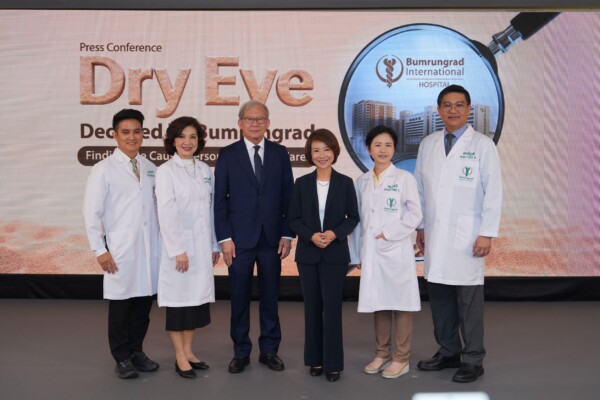
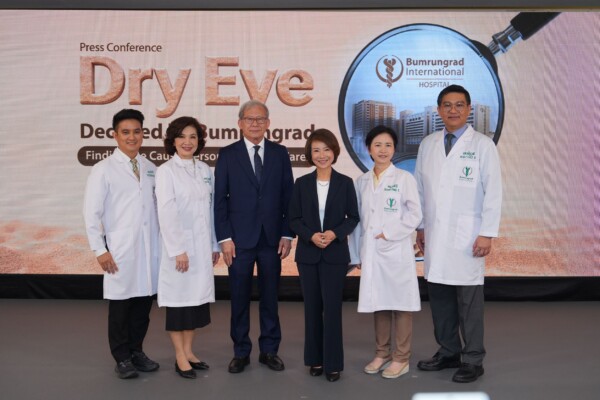
“ตาแห้ง” ภัยเงียบคนติดจอ! โรงพยาบาลบำรุงราษฎร์ยกระดับ “คลินิกตาแห้ง” เจาะลึกต้นเหตุ รักษาตรงจุด ด้วยเทคโนโลยีขั้นสูง
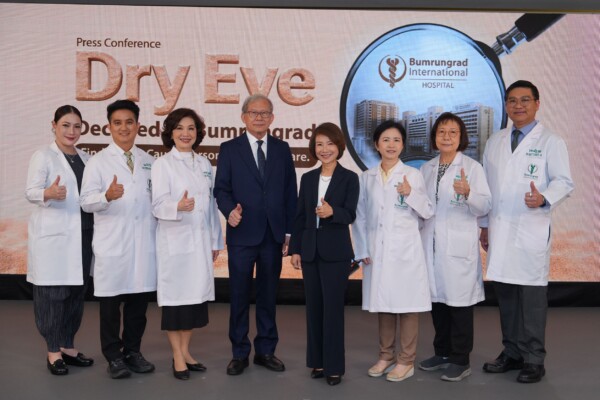
“บำรุงราษฎร์” ชี้คนยุคดิจิทัลเสี่ยง “ตาแห้ง” จากการใช้หน้าจอต่อเนื่อง โดยพบความชุกเฉลี่ยทั่วโลกประมาณ 34.6% หรือราว 1 ใน 3 ของประชากรโลก และสูงถึง 52.4% ในเอเชียตะวันออกเฉียงใต้ จึงยกระดับการดูแลผ่าน “คลินิกตาแห้ง” ชูแนวคิด Precision Diagnosis ค้นหาต้นเหตุเชิงลึกด้วยเทคโนโลยี IDRA และ Precision Treatment ออกแบบการรักษาอย่างตรงจุดด้วยเทคโนโลยี Light-Based Therapy เพื่อผลลัพธ์การรักษาที่ดีในระยะยาวและลดโอกาสเกิดปัญหาตามมา
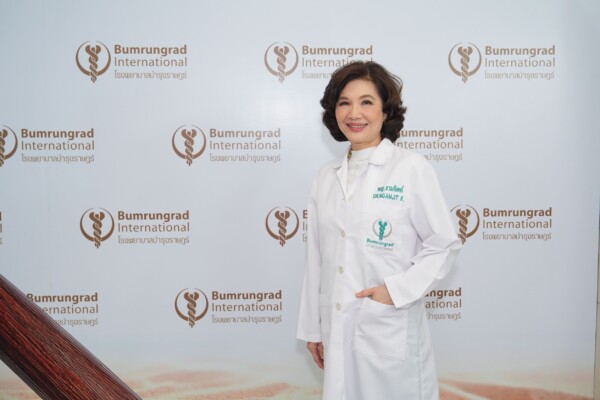
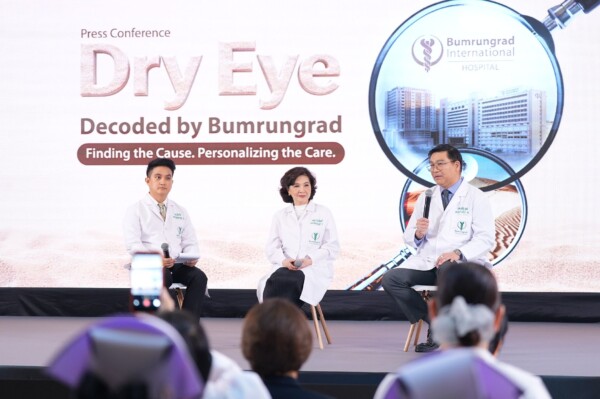
ดร.อาทิรัตน์ จารุกิจพิพัฒน์ ประธานเจ้าหน้าที่บริหาร โรงพยาบาลบำรุงราษฎร์ เปิดเผยว่า โรคตาแห้งเป็นปัญหาที่พบได้บ่อย โดยเฉพาะในช่วงการแพร่ระบาดของโควิด-19 ซึ่งสัมพันธ์กับพฤติกรรมการใช้หน้าจอที่เพิ่มขึ้น โรงพยาบาลบำรุงราษฎร์จึงยกระดับการดูแลสุขภาพดวงตาผ่านคลินิกตาแห้งภายใต้ศูนย์จักษุ โดยเน้นการวินิจฉัยเชิงลึกและวางแผนการรักษาเฉพาะบุคคลด้วยการใช้เทคโนโลยีขั้นสูง โดยทีมแพทย์เฉพาะทางหลากหลายสาขาและทีมสหสาขาวิชาชีพ เพื่อให้ผู้ป่วยได้รับการดูแลอย่างครอบคลุมตามมาตรฐานระดับสากล ทั้งนี้ โรงพยาบาลบำรุงราษฎร์ได้รับการยกย่องจาก Newsweek ให้เป็น “โรงพยาบาลเอกชนและคลินิกชั้นนำในเอเชีย ประจำปี 2569” ด้านการผ่าตัดรักษาภาวะสายตาผิดปกติ เป็นอันดับ 1 ในเอเชีย และด้านการผ่าตัดต้อกระจก เป็นอันดับ 3 ในเอเชีย ซึ่งครองอันดับ 1 ในประเทศไทยทั้งสองด้าน ต่อเนื่องเป็นปีที่ 2 สะท้อนถึงความมุ่งมั่นในการพัฒนานวัตกรรมและส่งมอบประสบการณ์การรักษาที่เป็นเลิศ
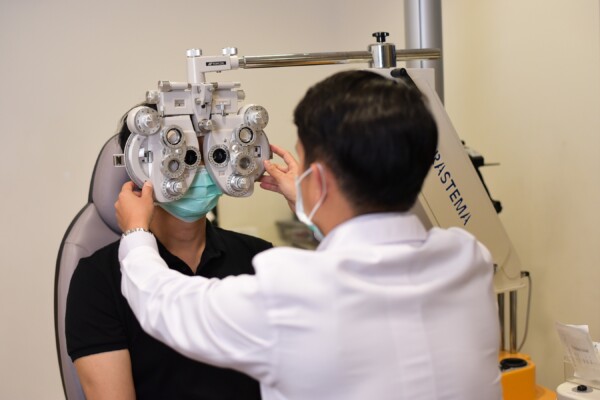
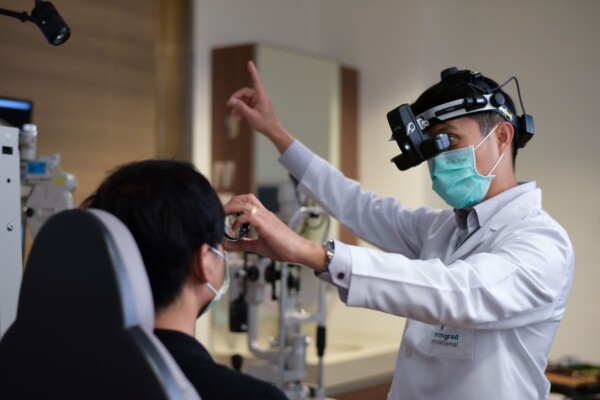
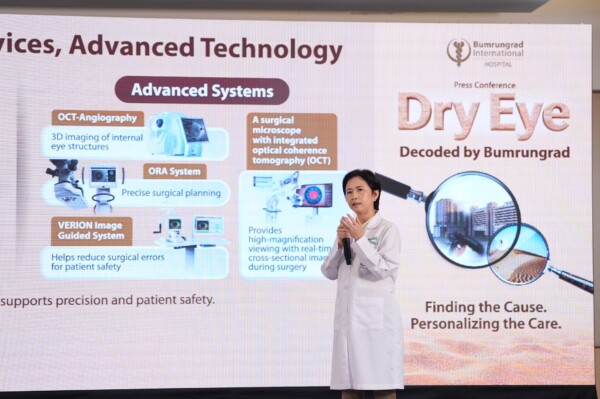
พญ.เมทินี ศิริมหาราช หัวหน้าศูนย์จักษุ และจักษุแพทย์เฉพาะทางโรคจอตาและน้ำวุ้นตา โรงพยาบาลบำรุงราษฎร์ กล่าวว่า ปัจจุบันประชากรจำนวนมากเผชิญปัญหาการมองเห็น และมากกว่า 50% ยังไม่ได้รับการแก้ไขอย่างถูกต้อง ส่วนหนึ่งเพราะผู้ป่วยไม่ทราบว่าตนเองมีปัญหาหรือมองข้ามสัญญาณเตือนของร่างกาย ซึ่งอาจส่งผลต่อการใช้ชีวิตและบั่นทอนคุณภาพชีวิต ศูนย์จักษุ โรงพยาบาลบำรุงราษฎร์ มีความพร้อมทั้งทีมแพทย์และเทคโนโลยีในการรักษา ตั้งแต่การตรวจตาทั่วไปจนถึงเคสซับซ้อนและกรณีฉุกเฉินทางตา เพื่อให้ผู้ป่วยได้รับการดูแลอย่างครอบคลุม โดยมีห้องตรวจ 13 ห้อง พร้อมเทคโนโลยี เช่น OCT-Angiography สำหรับสร้างภาพ 3 มิติของโครงสร้างภายในดวงตา ORA System สำหรับช่วยวางแผนการผ่าตัด และ VERION Image Guided System เพื่อเพิ่มความแม่นยำและลดข้อผิดพลาดในการผ่าตัด
“ตาแห้ง” ไม่ได้เกิดเฉพาะผู้สูงอายุ คนจ้องจอเสี่ยงมากขึ้น
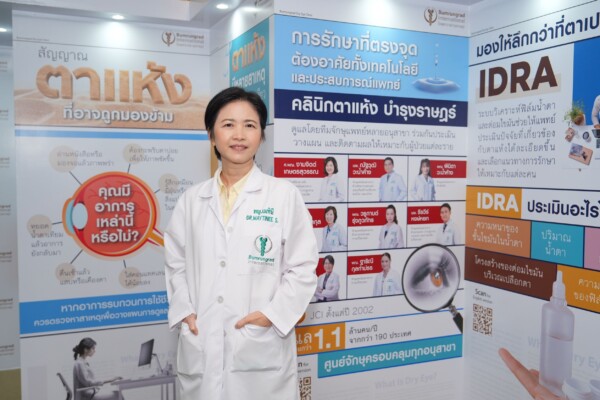
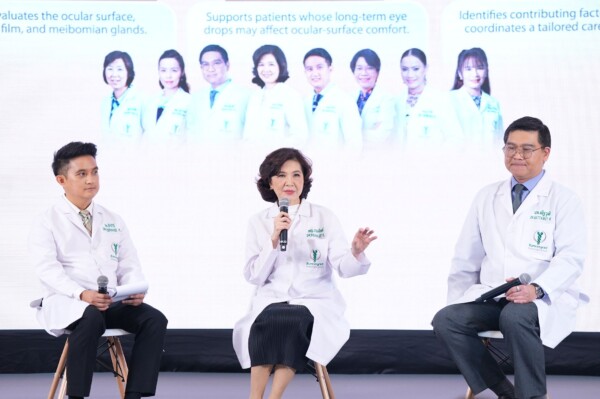
ขณะที่ ศ.พญ.งามจิตต์ เกษตรสุวรรณ หัวหน้าคลินิกตาแห้ง และจักษุแพทย์เฉพาะทางด้านกระจกตา การปลูกถ่ายกระจกตา และการผ่าตัดแก้ไขสายตา โรงพยาบาลบำรุงราษฎร์ กล่าวว่า โรคตาแห้งพบได้ในคนทุกวัย โดยเฉพาะผู้ใช้หน้าจอต่อเนื่องเป็นเวลานาน เพราะความถี่ในการกะพริบตาสามารถลดลงถึง 50–60% และอาจเกิดการกะพริบตาไม่สมบูรณ์หรือปิดเปลือกตาไม่สนิท ทำให้ชั้นน้ำมันที่เคลือบผิวดวงตากระจายตัวได้ไม่ดีและน้ำตาระเหยเร็วขึ้น
อาการเตือนที่ควรสังเกต ได้แก่ ระคายเคือง แสบ คันตา รู้สึกเหมือนมีฝุ่นหรือทรายในตา แพ้แสง แพ้ลม ตาขาวหรือขอบเปลือกตาแดง มองเห็นไม่ชัดเป็นบางช่วง ไม่สบายตาหลังตื่นนอน หรือมีน้ำตาไหลมากผิดปกติ ซึ่งหากเกิดขึ้นต่อเนื่อง หยอดน้ำตาเทียมแล้วไม่ดีขึ้น หรือกระทบชีวิตประจำวัน ควรพบจักษุแพทย์เพื่อรับการตรวจวินิจฉัยและรักษาอย่างเหมาะสม เพื่อป้องกันการลุกลามจนส่งผลต่อดวงตาในระยะยาว
พลิกความเข้าใจ “ตาแห้ง” ไม่ใช่เพราะ “น้ำตาน้อย”
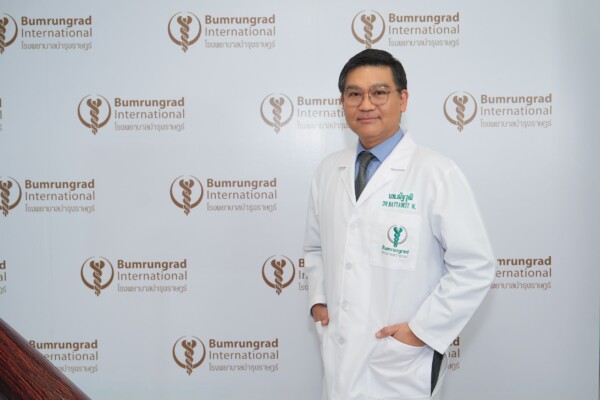
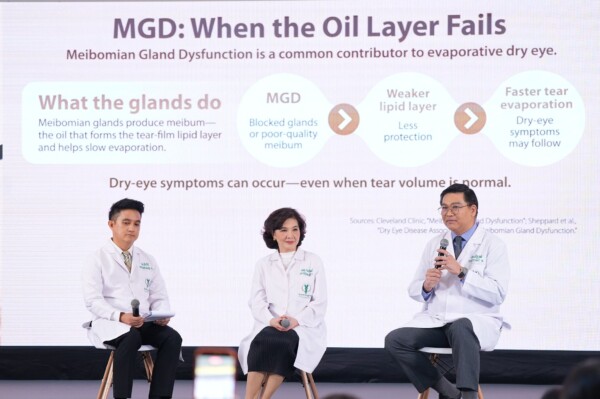
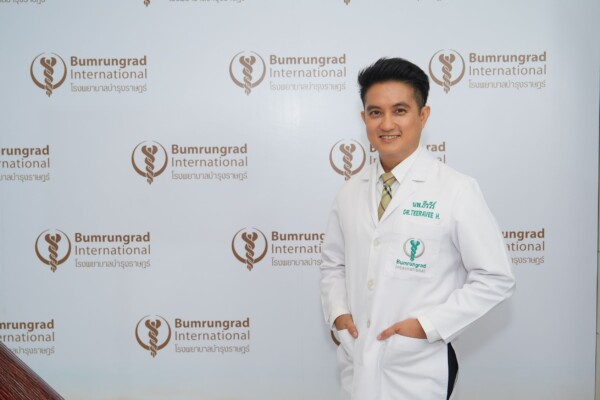
ด้าน นพ.ณัฐวุฒิ วะน้ำค้าง จักษุแพทย์เฉพาะทางด้านศัลยกรรมตกแต่งและเสริมสร้างด้านเปลือกตา ท่อน้ำตา และเบ้าตา โรงพยาบาลบำรุงราษฎร์ อธิบายว่า น้ำตาประกอบด้วย 3 ชั้นสำคัญ ได้แก่ ชั้นน้ำมัน (Lipid Layer) ช่วยลดการระเหยของน้ำตา ชั้นน้ำ (Aqueous Layer) ทำหน้าที่ให้ความชุ่มชื้น หล่อเลี้ยง และชะล้างสิ่งระคายเคือง และ ชั้นเมือก (Mucin Layer) ช่วยให้น้ำตากระจายและยึดเกาะกับผิวดวงตาอย่างสม่ำเสมอ ดังนั้น โรคตาแห้งจึงไม่ได้เกิดจากน้ำตาน้อยเท่านั้น แต่อาจเกิดจากการสร้างน้ำตาไม่เพียงพอ น้ำตาระเหยเร็ว หรือคุณภาพของน้ำตาผิดปกติ การวินิจฉัยจึงต้องประเมินทั้งระบบน้ำตา ผิวดวงตา เปลือกตา และการทำงานของต่อมน้ำมันร่วมกัน
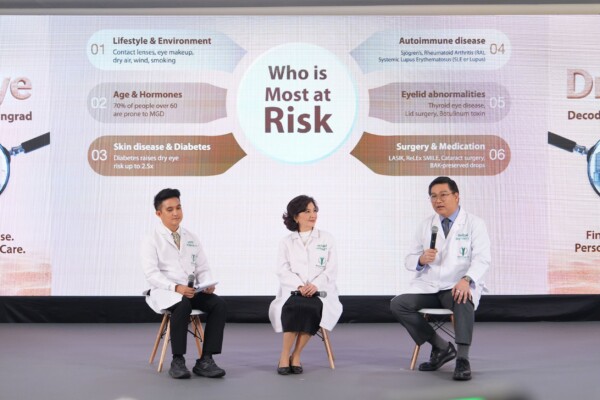
หนึ่งในสาเหตุสำคัญของโรคตาแห้งคือ Meibomian Gland Dysfunction (MGD) ซึ่งเป็นความผิดปกติของต่อมน้ำมันบริเวณเปลือกตา ทำให้น้ำตาระเหยเร็วแม้ปริมาณน้ำตายังปกติ ซึ่งนอกจากการใช้หน้าจอนานแล้ว ปัจจัยที่เกี่ยวข้องยังรวมถึงการใส่คอนแทคเลนส์นาน การใช้เครื่องสำอางรอบดวงตา สภาพอากาศแห้ง แดดและลม การสูบบุหรี่และดื่มแอลกอฮอล์ อายุที่เพิ่มขึ้น รวมถึงโรคเบาหวาน โรคภูมิคุ้มกัน เช่น โรคโจเกรน (Sjögren’s Disease) โรครูมาตอยด์ (Rheumatoid Arthritis) และพุ่มพวงหรือโรคแพ้ภูมิตัวเอง (SLE) ความผิดปกติของเปลือกตา การผ่าตัดดวงตา ตลอดจนการใช้ยาบางชนิดหรือยาหยอดตาเป็นเวลานาน
IDRA เจาะลึกระบบน้ำตา หา “ต้นเหตุ” ก่อนรักษา
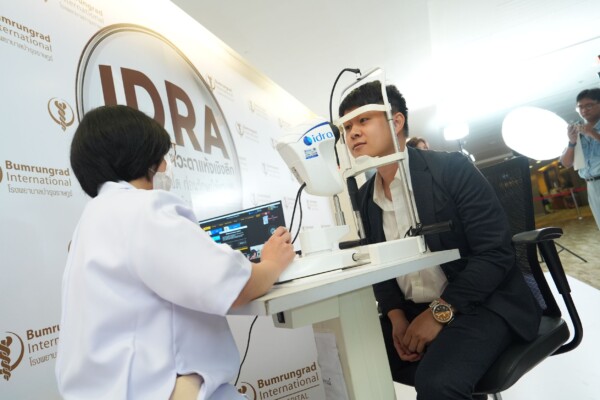
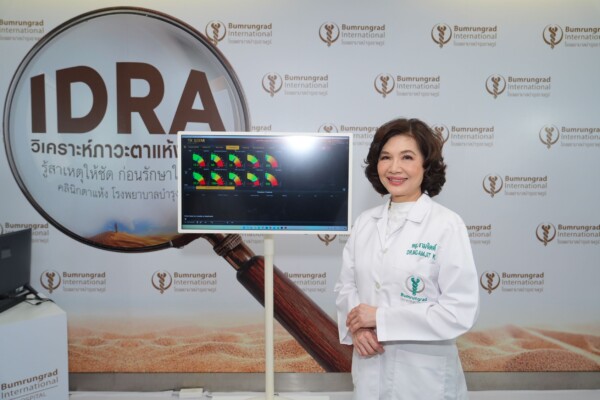
นพ.ณัฐวุฒิ กล่าวต่อว่า ในอดีตการตรวจตาแห้งมักพิจารณาปริมาณน้ำตาและรอยถลอกบนกระจกตา ซึ่งอาจยังไม่เพียงพอในการระบุสาเหตุ ปัจจุบัน เทคโนโลยี IDRA ช่วยวิเคราะห์ระบบน้ำตาได้หลายมิติ ทั้งคุณภาพชั้นน้ำมัน ภาพต่อมน้ำมันบริเวณเปลือกตา ความเสถียรของน้ำตา และรูปแบบการกะพริบตา โดยเป็นการตรวจแบบไม่สัมผัสกระจกตา ไม่ต้องหยอดยาชา และทราบผลได้ทันทีพร้อมภาพจำลอง 3 มิติ ช่วยให้แพทย์สามารถค้นหาสาเหตุและวางแผนการรักษาได้เหมาะกับผู้ป่วยแต่ละราย
สู่ Light-Based Therapy รักษาตรงต้นเหตุ
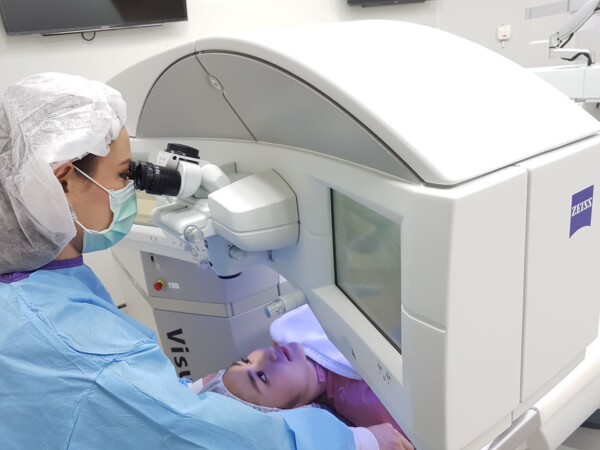
ศ.พญ.งามจิตต์ กล่าวว่า ผู้ที่มีอาการตาแห้งไม่มาก สามารถเริ่มจากการปรับพฤติกรรม เช่น พักสายตาและฝึกกะพริบตาให้สมบูรณ์ หากพบว่าปัญหาเกิดจาก MGD การรักษาจะมุ่งฟื้นฟูต่อมน้ำมัน ตั้งแต่การประคบอุ่น การนวดและทำความสะอาดเปลือกตา (Eyelid Spa Treatment) ไปจนถึงการรักษาด้วยแสง (Light-Based Therapy) โดย Low-Level Light Therapy (LLLT) ช่วยกระตุ้นการทำงานของต่อมน้ำมันบริเวณเปลือกตาในระดับเซลล์ ส่วน Intense Pulsed Light (IPL) ช่วยลดการอักเสบและการอุดตันของต่อมน้ำมันบริเวณเปลือกตา สำหรับผู้ป่วยตาแห้งรุนแรงบางราย แพทย์อาจพิจารณาการรักษาขั้นสูงตามข้อบ่งชี้ เช่น Autologous Serum Eye Drops หรือ Platelet-Rich Plasma (PRP) เพื่อช่วยส่งเสริมการซ่อมแซมและฟื้นฟูเนื้อเยื่อ
ศ.พญ.งามจิตต์ กล่าวเพิ่มเติมว่า โรคตาแห้งมีความซับซ้อนและเกิดได้จากหลายปัจจัย การดูแลแบบ Personalized Care ที่มุ่งเน้นผู้ป่วยเป็นศูนย์กลาง จึงมุ่งค้นหาสาเหตุและประเมินความรุนแรง ภายใต้การดูแลของทีมแพทย์เฉพาะทางและทีมสหสาขาวิชาชีพ รวมถึงการเลือกใช้เทคโนโลยีที่เหมาะสม เพื่อออกแบบแผนการรักษาที่เหมาะกับผู้ป่วยแต่ละราย โดยเป้าหมายสำคัญที่ไม่ใช่เพียงบรรเทาอาการ แต่คือการฟื้นฟูสมดุลของผิวดวงตา ลดผลกระทบต่อการมองเห็น และช่วยให้ผู้ป่วยกลับมามีคุณภาพชีวิตที่ดียิ่งขึ้น
สอบถามรายละเอียดเพิ่มเติมได้ที่คลินิกตาแห้ง ศูนย์จักษุ ชั้น 18 อาคาร A (คลินิก) โรงพยาบาลบำรุงราษฎร์ โทร. 061 408 9622 (Hotline) หรือ 02 066 8888 และ 1378 (Contact Center)
Dry Eye: A Growing Silent Threat for Screen Users — Bumrungrad Elevates Care with Advanced Diagnostic and Targeted Treatment Technologies
Bumrungrad International Hospital highlights the growing risk of dry eye among people in the digital age due to prolonged screen use. The condition affects an estimated 34.6% of the global population, or approximately 1 in 3 people, with prevalence reaching 52.4% in Southeast Asia. In response, Bumrungrad has enhanced its Dry Eye Clinic, adopting a Precision Diagnosis approach to identify underlying causes through advanced IDRA technology, alongside Precision Treatment that delivers targeted, personalized care using Light-Based Therapy. The approach aims to achieve better long-term treatment outcomes and reduce the risk of potential complications.
Artirat Charukitpipat, Ph.D., Chief Executive Officer of Bumrungrad International Hospital, said that dry eye is a common condition, particularly during the COVID-19 pandemic, when increased screen time contributed to its prevalence. Bumrungrad has therefore enhanced its eye care services through the Dry Eye Clinic under the Bumrungrad Eye Center, focusing on in-depth diagnosis and personalized treatment planning supported by advanced technology. Care is delivered by a team of specialists across multiple disciplines and a multidisciplinary care team to ensure comprehensive treatment in line with international standards. Bumrungrad International Hospital was also recognized by Newsweek among Asia’s Top Private Hospitals and Clinic 2026, ranking No. 1 in Asia for refractive eye surgery and No. 3 in Asia for cataract surgery, while securing the No. 1 position in Thailand in both specialties for the second consecutive year. These recognitions reflect the hospital’s commitment to advancing innovation and delivering excellence in patient care.
Maytinee Sirimaharaj, M.D., Director of the Bumrungrad Eye Center and Comprehensive Ophthalmology, Retina and Vitreous Specialist at Bumrungrad International Hospital, said that a significant number of people today experience vision problems, with more than 50% of cases remaining inadequately corrected. This is partly because many individuals are unaware of their condition or overlook warning signs, which can affect daily life and diminish quality of life. Bumrungrad Eye Center is equipped with a team of specialists and advanced technology to provide comprehensive care, ranging from routine eye examinations to complex cases and ophthalmic emergencies. The Center features 13 examination rooms and advanced technologies, including OCT-Angiography for three-dimensional imaging of internal eye structures, the ORA System to support surgical planning, and the VERION Image Guided System to enhance surgical precision and reduce potential errors.
Dry Eye Is Not Just an Elderly Condition: Prolonged Screen Use Increases the Risk
Prof. Ngamjit Kasetsuwan, M.D., Director of the Bumrungrad Dry Eye Clinic and Comprehensive Ophthalmology, Cornea and Refractive Surgery Specialist at Bumrungrad International Hospital, said that dry eye can affect people of all ages, particularly those who use screens continuously for extended periods. Screen use can reduce blinking frequency by as much as 50–60% and may also lead to incomplete blinking or inadequate eyelid closure. This can prevent the tear film’s lipid layer from spreading evenly across the surface of the eye, causing tears to evaporate more quickly.
Warning signs to watch for include eye irritation, burning, or itching; a sensation of dust or sand in the eyes; sensitivity to light or wind; redness of the whites of the eyes or eyelid margins; intermittent blurred vision; eye discomfort upon waking; or excessive tearing. If these symptoms persist, do not improve after using artificial tears, or interfere with daily life, individuals should consult an ophthalmologist for appropriate diagnosis and treatment to help prevent the condition from progressing and affecting long-term eye health.
Understanding Dry Eye: It’s Not Simply Caused by “Too Few Tears”
Nattawut Wanumkarng, M.D., Comprehensive Ophthalmology and Oculoplastic and Reconstructive Surgery Specialist at Bumrungrad International Hospital, explained that tears consist of 3 key layers: the Lipid Layer, which helps prevent tear evaporation; the Aqueous Layer, which moisturizes, nourishes, and washes away irritants; and the Mucin Layer, which helps tears spread evenly and adhere to the surface of the eye. Dry eye, therefore, is not caused solely by insufficient tear production. It may also result from excessive tear evaporation or an abnormal tear composition. Diagnosis requires a comprehensive assessment of the entire tear system, ocular surface, eyelids, and meibomian gland function.
One of the major causes of dry eye is Meibomian Gland Dysfunction (MGD), a disorder of the oil-producing glands in the eyelids that can cause tears to evaporate rapidly even when tear volume is normal. In addition to prolonged screen use, contributing factors include extended contact lens wear, eye makeup, dry weather, exposure to sunlight and wind, smoking and alcohol consumption, aging, diabetes, autoimmune diseases such as Sjögren’s disease, rheumatoid arthritis, and systemic lupus erythematosus (SLE), eyelid abnormalities, eye surgery, and prolonged use of certain medications or eye drops.
IDRA Provides In-Depth Tear Film Analysis to Identify the Underlying Cause Before Treatment
Nattawut, M.D., added that, in the past, dry eye assessments typically focused on tear volume and corneal staining, which may not have been sufficient to identify the underlying cause. Today, IDRA technology enables comprehensive analysis of the tear film across multiple dimensions, including lipid layer quality, imaging of the meibomian glands in the eyelids, tear film stability, and blinking patterns. The non-contact examination does not touch the cornea or require anesthetic eye drops, with results available immediately along with three-dimensional imaging. This enables physicians to identify the underlying cause and develop an appropriate treatment plan tailored to each patient.
Light-Based Therapy Targets the Underlying Cause
Prof. Ngamjit, M.D., said that patients with mild dry eye diseases can begin by modifying their behavior, such as taking regular breaks from screens and practicing complete blinking. If the condition is caused by MGD, treatment focuses on restoring meibomian gland function, ranging from warm compresses, eyelid massage, and cleansing (Eyelid Spa Treatment) to Light-Based Therapy. Low-Level Light Therapy (LLLT) helps stimulate the function of the meibomian glands at the cellular level, while Intense Pulsed Light (IPL) helps reduce inflammation and blockage of the meibomian glands. For some patients with severe dry eye, physicians may consider advanced treatments when indicated, such as Autologous Serum Eye Drops or Platelet-Rich Plasma (PRP) to support tissue repair and regeneration.
Prof. Ngamjit, M.D., added that dry eye is a complex condition caused by multiple factors. A Personalized Care approach, centered on each patient, focuses on identifying the underlying cause and assessing disease severity under the care of specialist physicians and a multidisciplinary team, with appropriate technologies selected to develop an individualized treatment plan. The goal is not only to relieve symptoms, but also to restore ocular surface balance, minimize the impact on vision, and help patients achieve a better quality of life.
For more information, please contact the Bumrungrad Dry Eye Clinic, Eye Center, located on 18th Floor, Building A (Clinic), Bumrungrad International Hospital, at 061-408-9622 (Hotline), or 02-066-8888 and 1378 (Contact Center).